

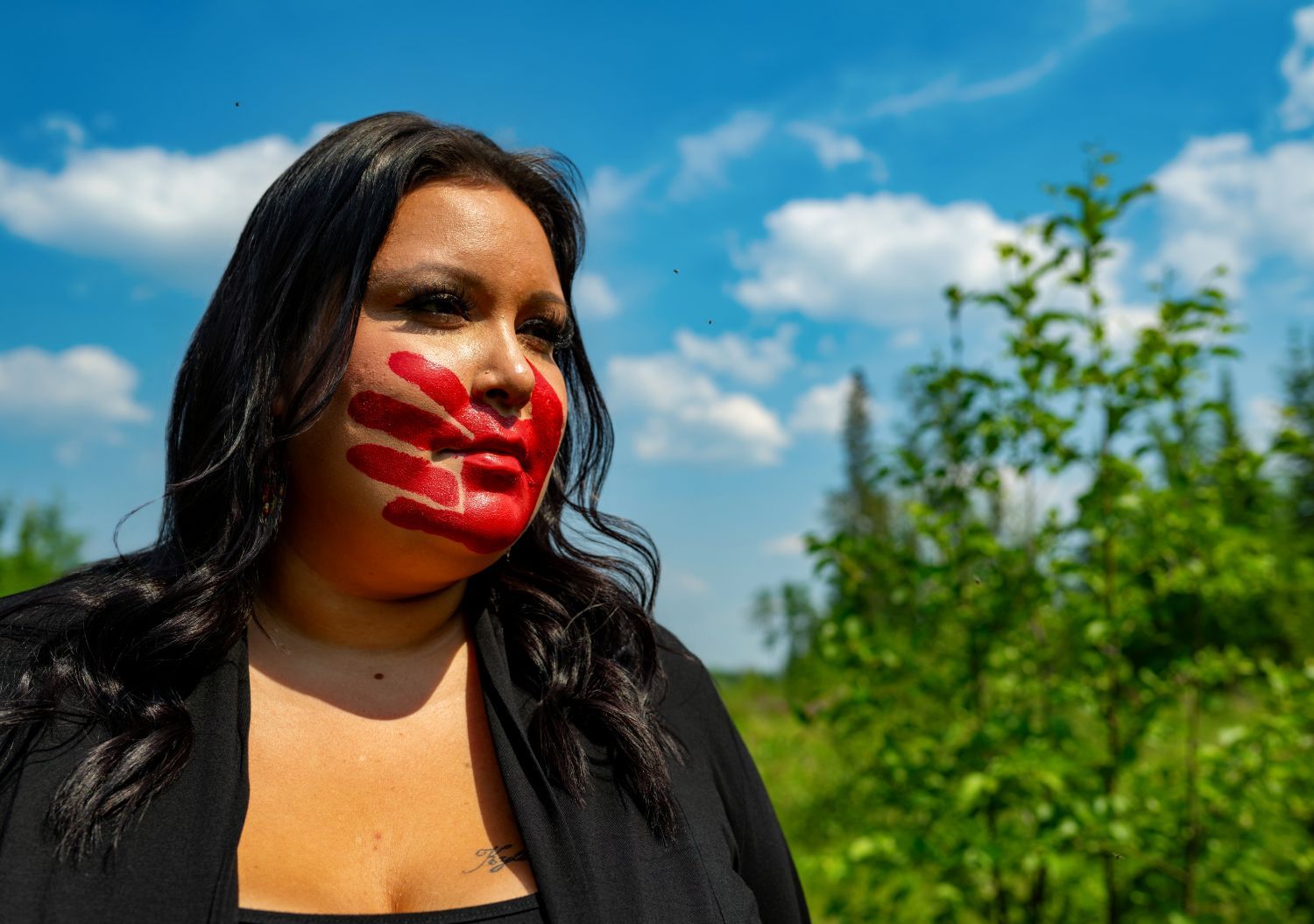
My name is Jenny Waquan, and my story is one of grief, loss, resilience, and healing.
I was taken into foster care when I was just four years old. Being separated from my family at such a young age left me disconnected from my loved ones, my culture, and my identity. As a child, I often felt lost and struggled to understand where I belonged.
When I was 14 years old, my mother, Shirley Waquan, went missing. Even though we had been separated by the foster care system for many years, she was still my mother, and her disappearance had a profound impact on my life. I carried so many unanswered questions, so much sadness, and so much grief. Not knowing what happened to her left a wound that followed me for many years.
Read More About Jenny Waquan Healing Journey
Like many people who experience trauma and loss, I struggled to cope with the pain. I carried grief that I didn't know how to express and hurt that I didn't know how to heal. Eventually, I found myself battling addiction as I tried to numb the pain I had been carrying since childhood.
My addiction led me down a difficult path and ultimately resulted in me losing my own children. That loss was devastating and forced me to take a hard look at my life. I knew I needed to make a change—not only for myself, but for my children, my family, and the generations to come.
Choosing to attend treatment was one of the most important decisions I have ever made. It marked the beginning of my healing journey. Through treatment, I began facing the trauma, grief, and loss that I had carried for so many years.
One of the biggest parts of my healing came through reconnecting with my culture and participating in ceremonies. I also built a strong support network of family and friends who stood beside me throughout my journey. They listened, encouraged me, and helped me cope as I continued raising awareness for my mom. Their love and support gave me the strength to keep moving forward and to continue growing, healing, and sharing this journey with my children.
I found a safe place to speak about my experiences and begin healing the wounds that had shaped so much of my life. For the first time, I felt truly connected—to my culture, my community, and myself.
Through that process, I learned that healing is possible. I learned that our stories do not have to end with trauma. We can acknowledge our pain, honour our losses, and still move forward with hope.
Today, I continue to walk my healing journey and use my story to inspire others. I share my experiences because I know there are people who feel lost, disconnected, or hopeless, just as I once did. I want them to know they are not alone.
My mother's disappearance changed my life forever, but it does not define who I am. My story is not only about grief and loss—it is also about strength, healing, culture, and hope.
If there is one message I want others to hear, it is this: No matter what you have been through, healing is possible. There is hope. There is support. And there is always a path forward.